




Pocket-Sized Progress for a Packed Schedule

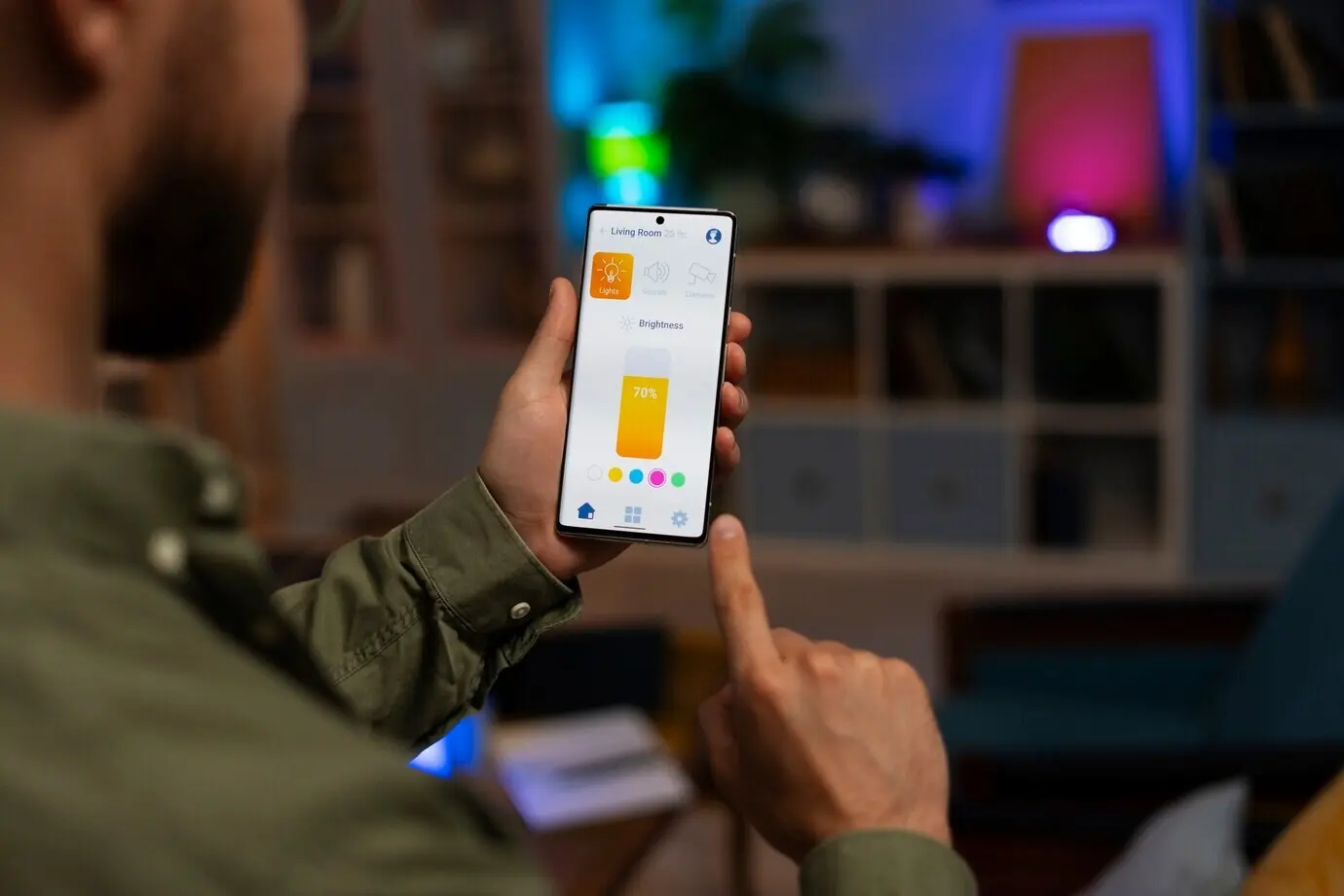
Today we explore mobile-first daily microlearning habits for busy professionals, transforming spare moments into meaningful gains without overwhelming your calendar. You will learn how to shape quick, intentional bursts that fit coffee lines, elevator rides, and commute pauses, while protecting focus, energy, and momentum. Expect practical tactics, relatable stories, and gentle nudges to build consistency, celebrate small wins, and feel smarter at the end of even your busiest days.

Design Your Morning Microbursts

Set your day up with brief, energizing learning rituals that anchor to routines you already keep. Morning minutes are cognitively fresh, ideal for priming retention and confidence. We will structure micro-goals, choose one tiny skill to reinforce, and keep everything delightfully simple, thumb-friendly, and easy to complete before distractions appear.

Effective Techniques That Fit Your Phone

Thumb-friendly design and evidence-based methods make short practice sessions powerful. Pair spaced repetition with retrieval practice to cement knowledge, and sprinkle interleaving to strengthen adaptability. These methods reduce study time while improving durability of memory, especially when delivered in precise, short intervals that respect the realities of a busy schedule.

Swipe-scale spaced repetition

Use an app that automatically schedules reviews at expanding intervals, surfacing items right before forgetting peaks. Your only job is to swipe, rate difficulty, and keep going. This rhythm turns resistance into flow, producing retention gains from tiny, consistent moments captured on the smallest available screen.

Thumb-friendly retrieval cues

Craft prompts that force recall in under thirty seconds, like cloze deletions or short scenario decisions. Resist the urge to re-read; reach for memory first. The slight struggle strengthens the trace. Think concise, unambiguous wording, high contrast, and visible progress so each micro-attempt feels satisfying rather than draining.

Mini interleaving

Mix two or three related skills within a single short session to reduce predictability and build flexible knowledge. For example, alternate one negotiation tactic, one analytics definition, and one leadership behavior. The brain learns to discriminate, not just repeat, improving transfer to messy, real-world situations where contexts rapidly change.


Workday Integration Without Distraction

Unobtrusive scheduling keeps learning present without hijacking focus. Anchor microbursts to natural transitions, guard deep work with silenced notifications, and carve purposeful breaks that refresh attention. You are building a rhythm: brief learning, meaningful work, short recovery. This balance keeps energy steady and progress visible across demanding, meeting-heavy days.

Calendar-anchored nudges

Place tiny calendar holds at transition points you already experience: before your first meeting, right after lunch, and five minutes before shutting down. Color-code them differently from tasks to reduce pressure. If a crunch hits, simply defer, not delete; preserving continuity matters more than hitting every scheduled microburst perfectly.

Two-minute breaks to reset

Use microlearning as a recovery tool between cognitive sprints. Two minutes of focused recall can clear mental residue while sharpening attention for the next task. Keep headphones handy, content lightweight, and expectations kind. You are not chasing perfection, only gently resetting your brain with a purposeful, short engagement.

Context-aware playlists

Group content by context: walking, desk-bound, or low-energy moments. During hall walks, listen to a quick concept; at your desk, answer a short challenge; when fatigued, review light summaries. The environment itself cues the right activity, reducing decisions and protecting your willpower for higher-stakes work demands.

Evening Reflection and Habit Tracking

Signal over noise checklist

Before adding anything, ask: What skill improves? How fast can I act on it? Does the source cite evidence or demonstrate real outcomes? If the answer feels fuzzy, skip it. Your limited minutes are precious; protect them fiercely so momentum grows without unnecessary cognitive overhead or regret.

Offline stash for dead zones

Pre-download short lessons for flights, basements, or patchy subways. A reliable offline queue turns connectivity gaps into focused learning pockets. Keep files small, navigation simple, and progress synced when online returns. Your future self will thank you during unexpected delays that would otherwise vanish into frustration.

Community, Accountability, and Momentum

Learning sticks when you share it. Invite a colleague to swap one takeaway per day, join micro-challenges, and celebrate streaks publicly. Ask for feedback on an applied experiment. Community transforms quiet practice into a supportive rhythm, multiplying motivation and making consistent progress feel visible, social, and genuinely rewarding.

Micro-peer circles

Form a three-person group with clear expectations: one insight, one application, one encouragement message every weekday. Keep it asynchronous to fit differing schedules. The light cadence builds trust, fuels curiosity, and gently nudges you to show up, especially on days when time feels impossibly scarce.

Tiny public commitments

Post a short intention on your internal chat or professional network: one sentence about what you will practice today. The visibility invites support and raises follow-through. Avoid perfection traps by keeping commitments specific and small, like one scenario review or one flashcard set before lunch.

Nirakuturitumuxemanu
Privacy Overview

This website uses cookies so that we can provide you with the best user experience possible. Cookie information is stored in your browser and performs functions such as recognising you when you return to our website and helping our team to understand which sections of the website you find most interesting and useful.